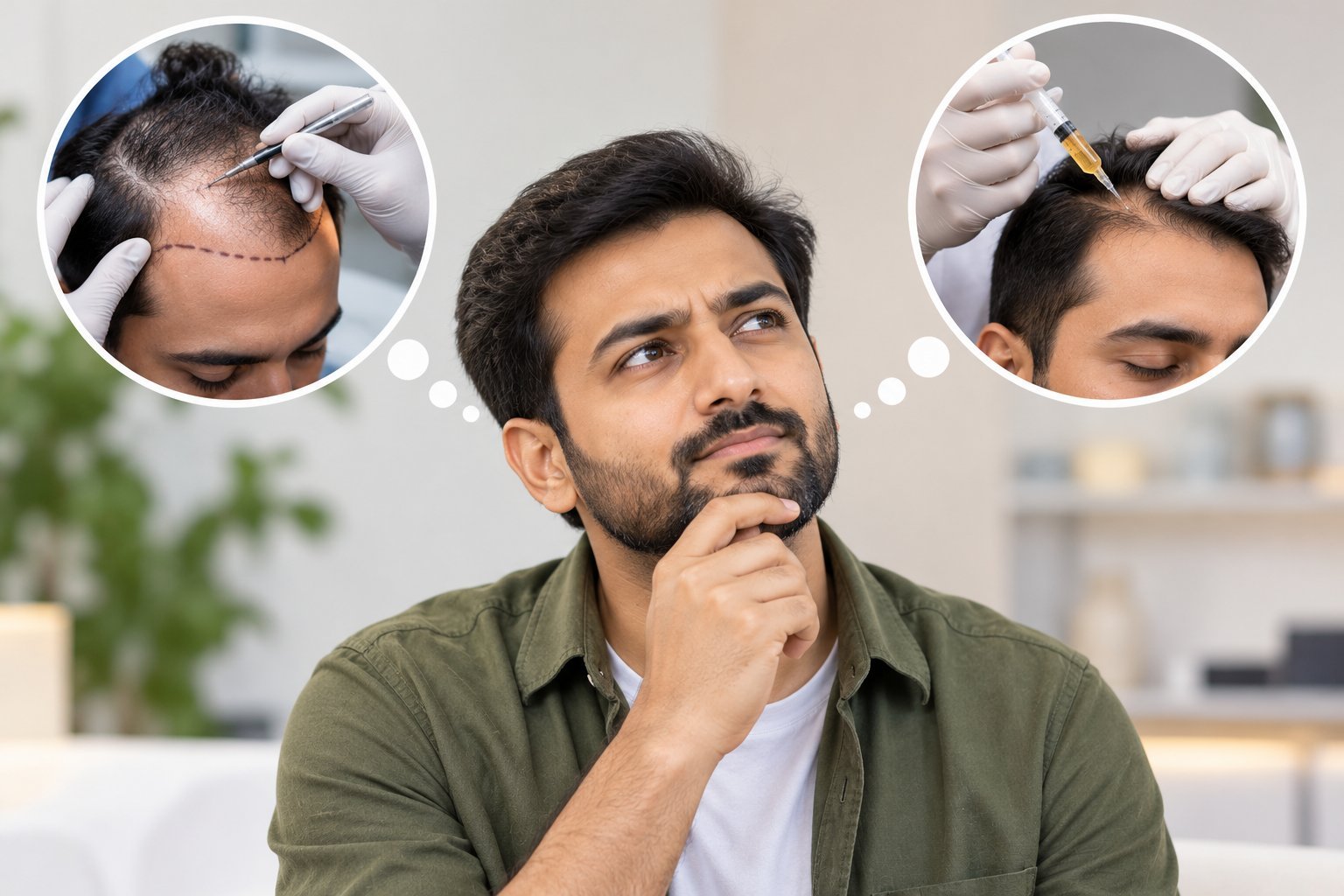
"Should I do PRP or go straight for a hair transplant?" is one of the most common questions at our hair clinic. They are very different treatments that solve different problems. Choosing the right one depends on how much hair you have lost and how much is still alive.
How PRP works
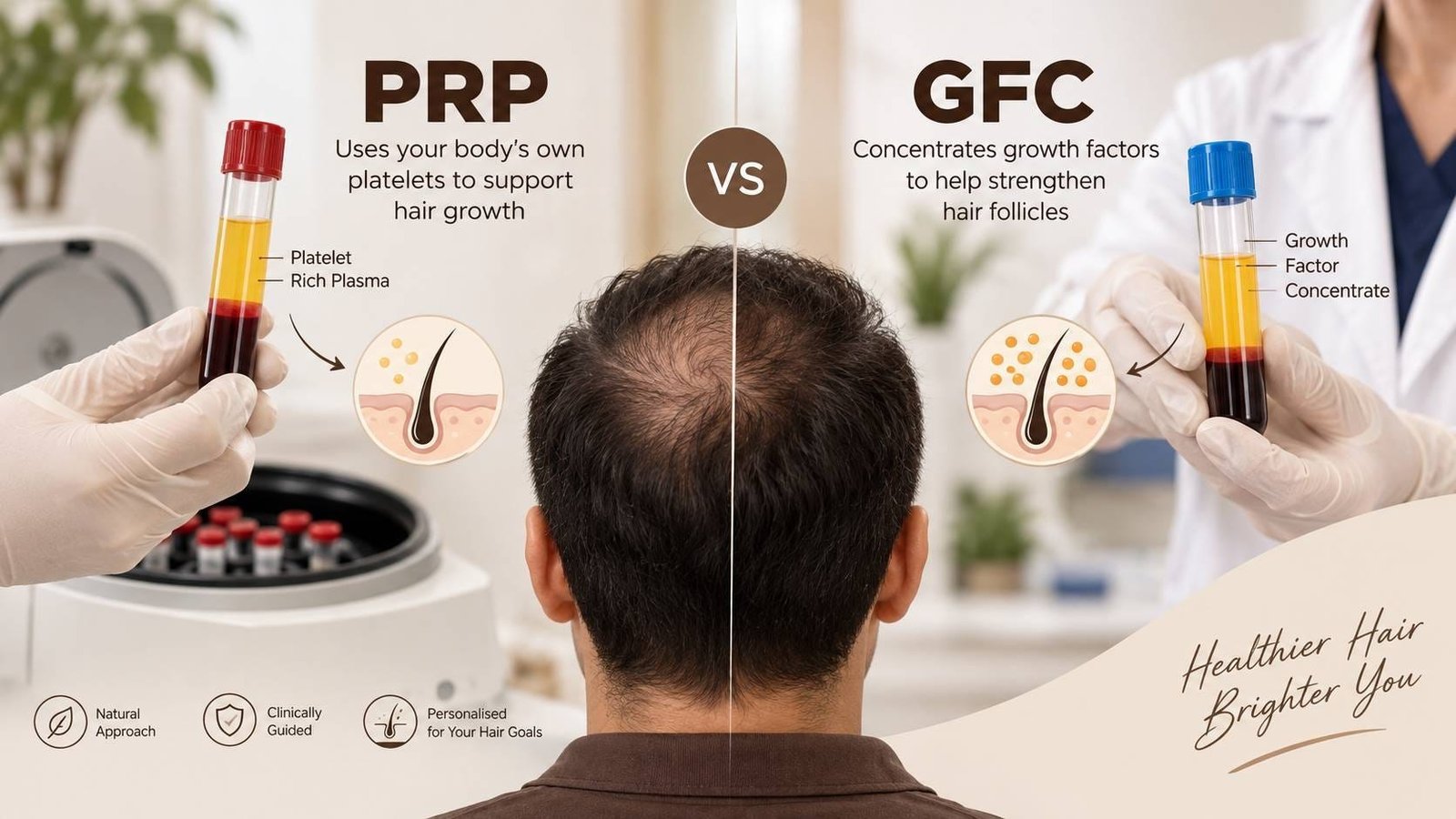
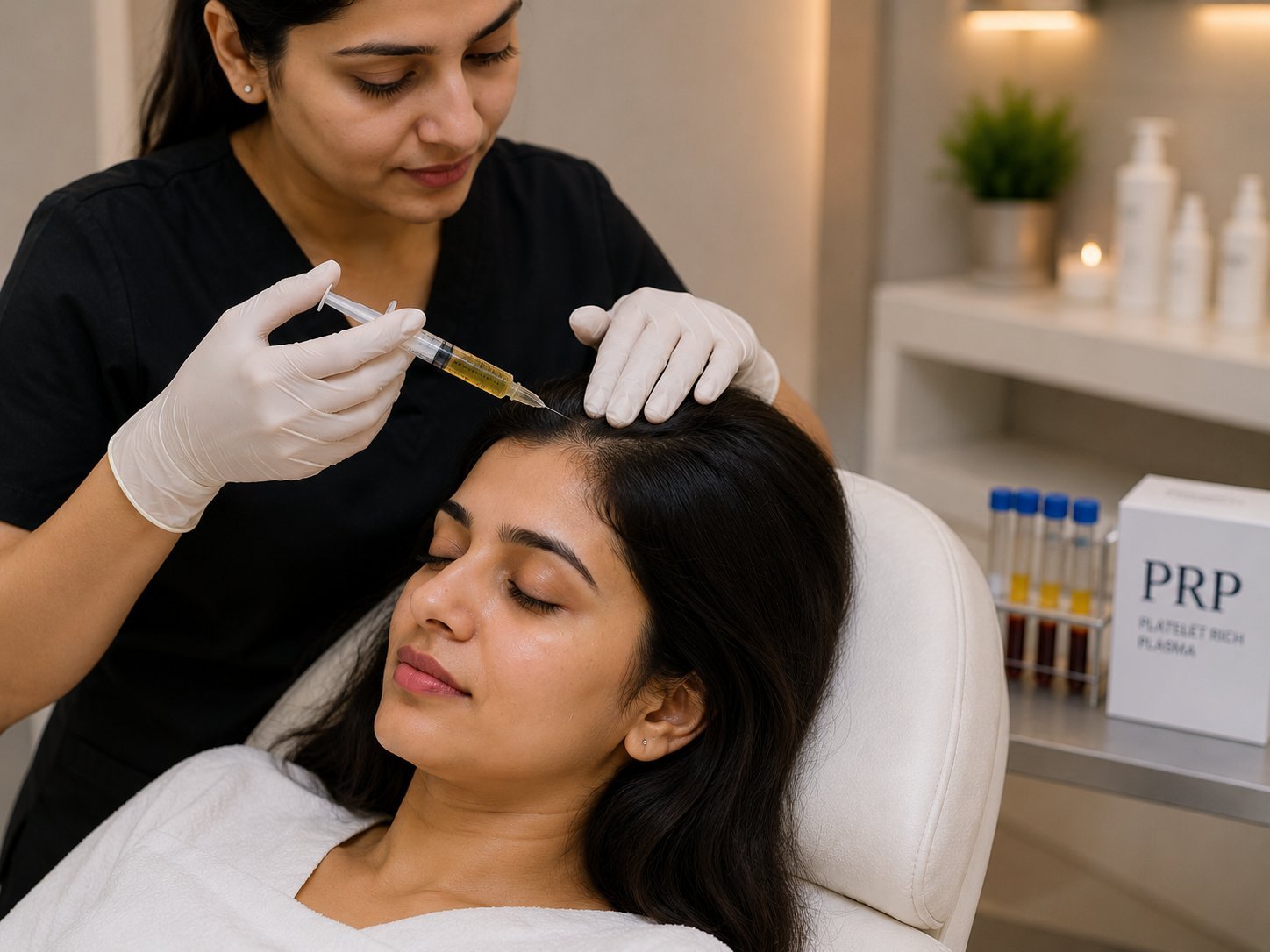
PRP uses a concentrate of your own platelets, injected into the scalp, to stimulate weak and thinning hair follicles. It helps follicles that are still alive grow thicker, stronger hair. Read our full guide to PRP results and sessions.
How a hair transplant works
A hair transplant moves healthy follicles, usually from the back of the scalp, to bald or very thin areas. It is a surgical procedure that creates new hair where follicles have already been lost.
Who PRP suits
- Early to moderate thinning, a widening parting or reduced density
- Men and women with pattern hair loss that has not progressed to bald areas
- People who want to strengthen existing hair without surgery
- Patients who have had a transplant and want to protect remaining hair
Who a hair transplant suits
- Clearly bald areas, such as a receded hairline or bald crown
- Hair loss that has been stable for some time
- Enough healthy donor hair at the back of the scalp
- People with realistic expectations about density
The key difference
- PRP strengthens hair that is still there. It cannot regrow hair on smooth bald skin.
- A transplant adds hair to bald areas, but it does not stop your remaining hair from thinning.
- That is why most people need medical treatment, with or without PRP, even after a transplant.
Recovery and downtime
PRP has almost no downtime; most people return to work the same day. A hair transplant needs about 7 to 10 days of careful recovery, and final results take 9 to 12 months.
Cost considerations
PRP is paid per session and usually needs a course plus maintenance. A transplant is a larger one time cost, but medical maintenance is still needed afterwards. Your dermatologist can give a realistic plan for your stage of hair loss.
Our honest approach
At Derma Wellness, every plan starts with a scalp examination and, when needed, blood tests. If PRP or GFC can help, we will plan a course. If a transplant is the better option, we will tell you honestly and guide you. Read GFC vs PRP and hair fall in men, or visit our hair loss clinic in Ahmedabad.
Frequently asked questions
Is PRP better than a hair transplant? +
Neither is better in general. PRP strengthens thinning hair that is still alive, while a transplant adds hair to bald areas. The right choice depends on your stage of hair loss.
Can PRP be done after a hair transplant? +
Yes. PRP is often used after a transplant to support healing and protect the existing hair.
Will a hair transplant stop hair loss? +
No. Transplanted hair is usually long lasting, but your original hair can keep thinning. Ongoing medical treatment helps protect it.

Dr. Dhwani Shah (Vakta)
MBBS, DDVL · Consultant Dermatologist & Aesthetic Physician, Derma Wellness & Aesthetic Clinic, Ahmedabad · 20+ years of experience
This article is for general information only and is not a substitute for a medical consultation. Treatment suitability, sessions and results vary from person to person. Book a consultation for advice specific to your skin.