Almost everyone has dandruff at some point. But if flakes keep returning despite every shampoo on the shelf — or come with redness, itching and flaking on the face — you may have seborrheic dermatitis, which needs a different approach.
What causes dandruff?
Dandruff is linked to a yeast called Malassezia that lives naturally on the scalp and feeds on scalp oils. In some people, it triggers irritation and faster shedding of skin cells, producing visible white flakes.
Dandruff vs seborrheic dermatitis
- Dandruff: dry or slightly oily white flakes, mild itch, limited to the scalp.
- Seborrheic dermatitis: greasy yellowish scales, redness, more itching, and often patches on the eyebrows, sides of the nose, behind the ears or chest.
Both flare with stress, cold weather, sweat and infrequent washing.
How to use anti-dandruff shampoo properly
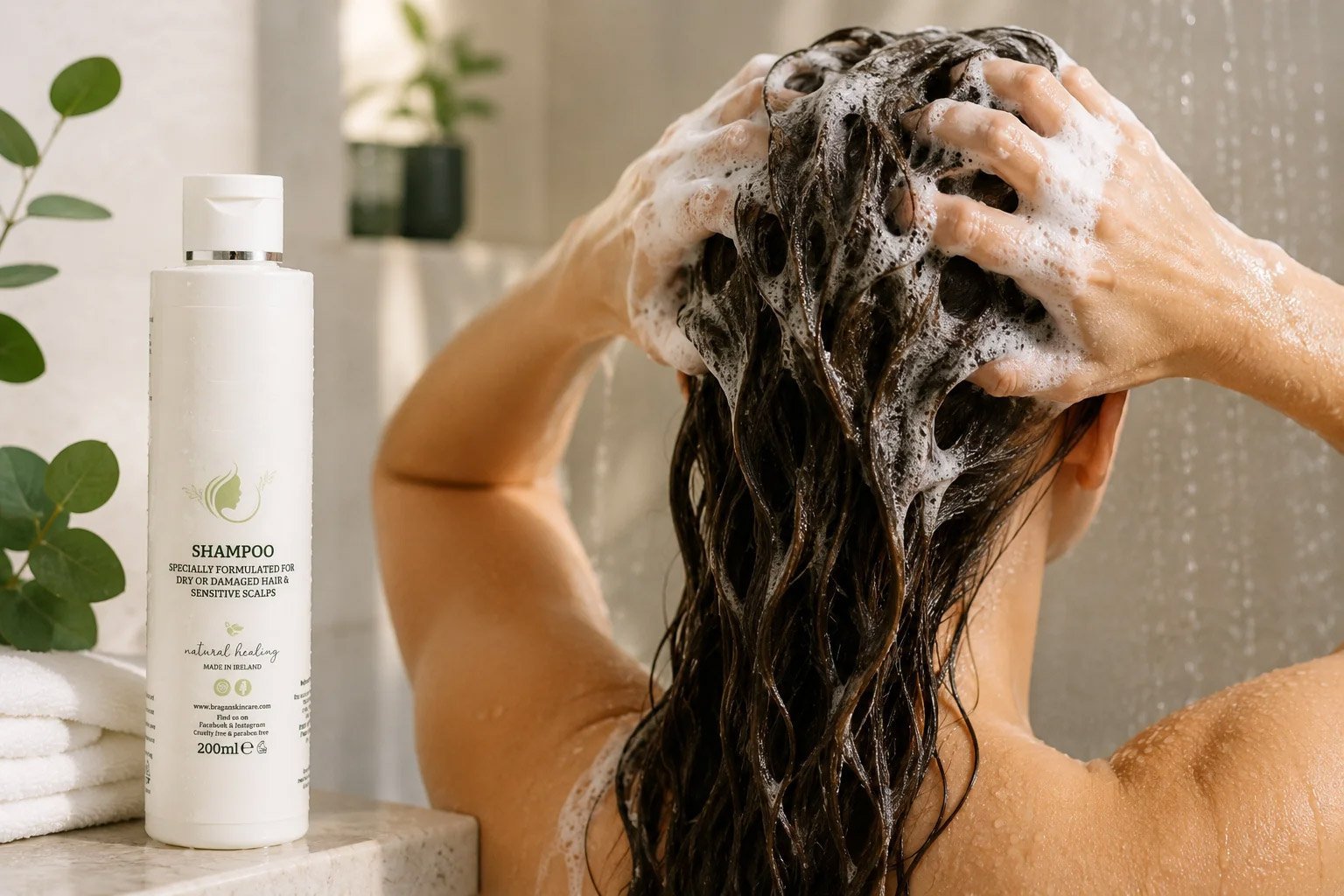
Many people say "anti-dandruff shampoo doesn't work" because it is used like a regular shampoo. Medicated shampoos containing ketoconazole, zinc pyrithione, selenium sulfide or salicylic acid work best when you:
- Apply to the scalp, not just the hair.
- Leave it on for 3–5 minutes before rinsing.
- Use it 2–3 times a week, then once a week for maintenance.
- Rotate between two different active ingredients if flakes return.
Common mistakes that make it worse
- Heavy oiling and leaving oil on overnight — the yeast feeds on it.
- Scratching, which inflames the scalp.
- Washing too rarely in hot, sweaty weather.
See a dermatologist if
- Flakes persist after 4–6 weeks of correct medicated shampoo use.
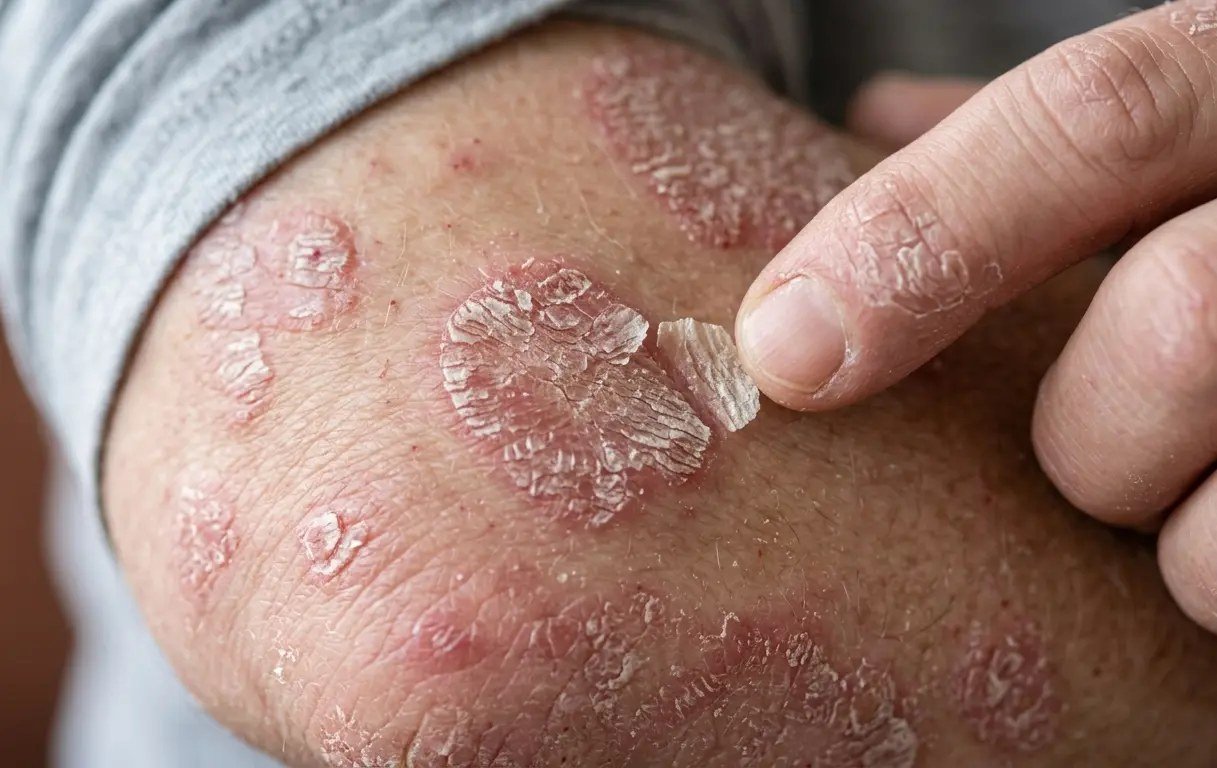
- The scalp is very red, painful, oozing or has thick plaques — this may be psoriasis.
- Flaking spreads to your face, eyebrows or chest.
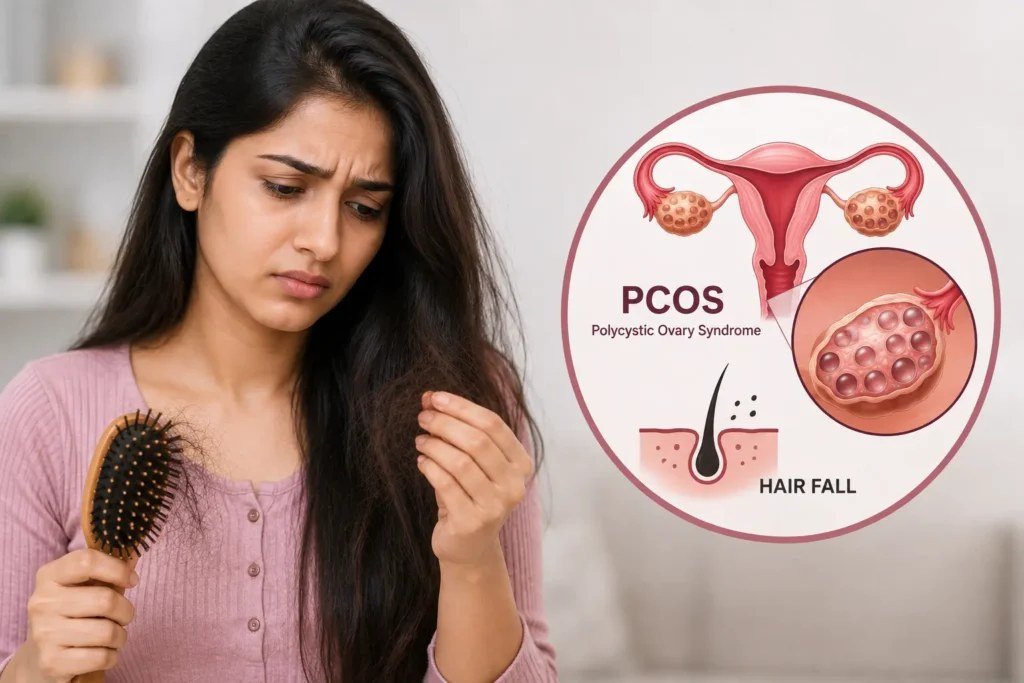
- You notice increased hair fall along with scalp symptoms.
How dermatologists treat it
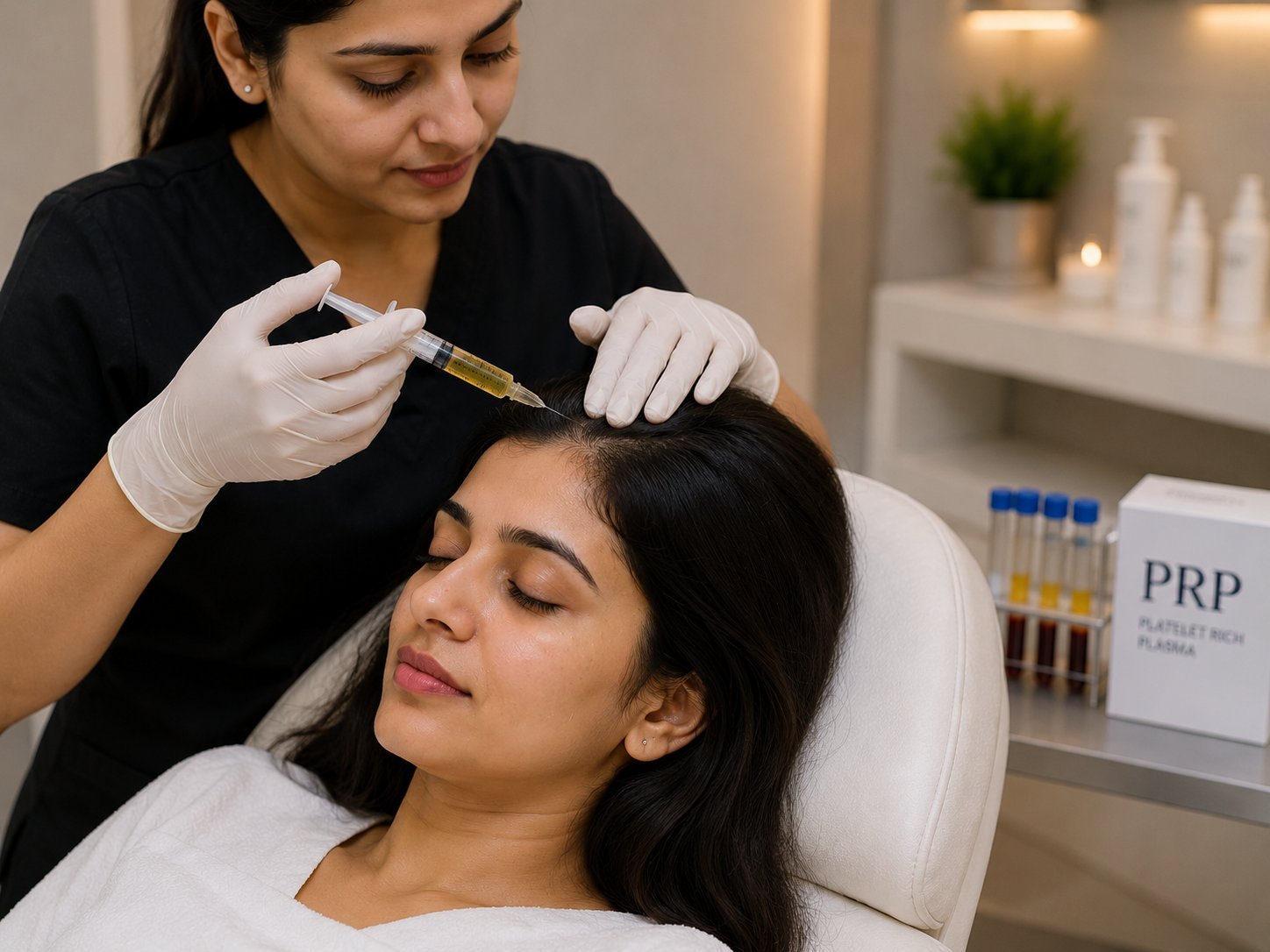
Prescription-strength shampoos, short courses of anti-inflammatory scalp lotions and, for the face, gentle non-steroid creams. The goal is control — seborrheic dermatitis tends to come and go, but flares become mild and infrequent with the right routine. Visit our hair and scalp clinic in Ahmedabad.
Frequently asked questions
Does dandruff cause hair fall? +
Dandruff itself rarely causes permanent hair loss, but scratching and scalp inflammation can increase shedding. Treating the scalp usually helps.
Is oiling good for dandruff? +
No. Oil can feed the yeast linked to dandruff. If you oil your hair, avoid leaving it on the scalp for long and wash it out thoroughly.
Can seborrheic dermatitis be cured permanently? +
It is a long-term tendency that can be controlled very well. Flares become rare with the right shampoo routine and maintenance.

Dr. Dhwani Shah (Vakta)
MBBS, DDVL · Consultant Dermatologist & Aesthetic Physician, Derma Wellness & Aesthetic Clinic, Ahmedabad · 20+ years of experience
This article is for general information only and is not a substitute for a medical consultation. Treatment suitability, sessions and results vary from person to person. Book a consultation for advice specific to your skin.