Glutathione drips, tablets and "glow injections" are heavily promoted on social media as a quick route to fairer skin. Patients ask us about them every week. Here is an honest, evidence-based look at glutathione for skin whitening — what it can and cannot do, and the risks people are rarely told about.
What is glutathione?
Glutathione is a natural antioxidant made by the body. In laboratory studies, it can shift melanin production from darker pigment towards lighter pigment. This is the basis for its use in skin-lightening products.
What does the evidence say?
- Oral glutathione: small studies show at best a mild, variable lightening effect, and it fades when you stop.
- Topical glutathione: may offer a modest brightening effect as part of a skincare routine.
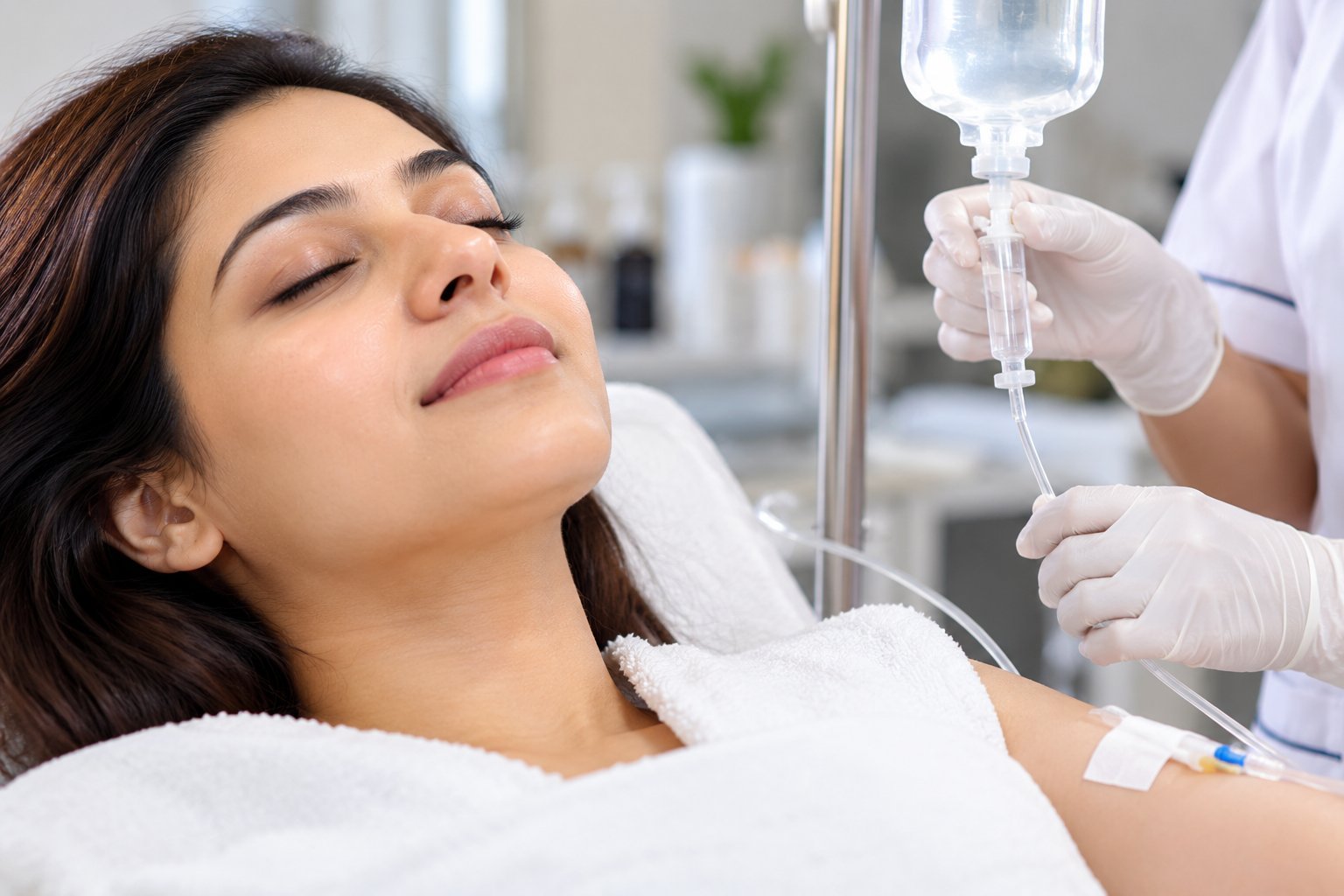
- Intravenous (IV) glutathione: evidence for skin lightening is weak, and safety data are limited.
In short, glutathione is not the dramatic, permanent whitening treatment it is often marketed as.
Safety concerns with glutathione injections
Several health regulators and dermatology bodies have warned against using IV glutathione for skin lightening. Reported risks include:
- Allergic reactions and, rarely, serious reactions
- Abnormal liver and kidney function
- Infections from unsafe injection practices, especially in non-medical settings
- Unregulated products of unknown purity and dose
High-dose IV drips given in salons or at home without medical supervision are particularly risky.
Why "whitening" is the wrong goal
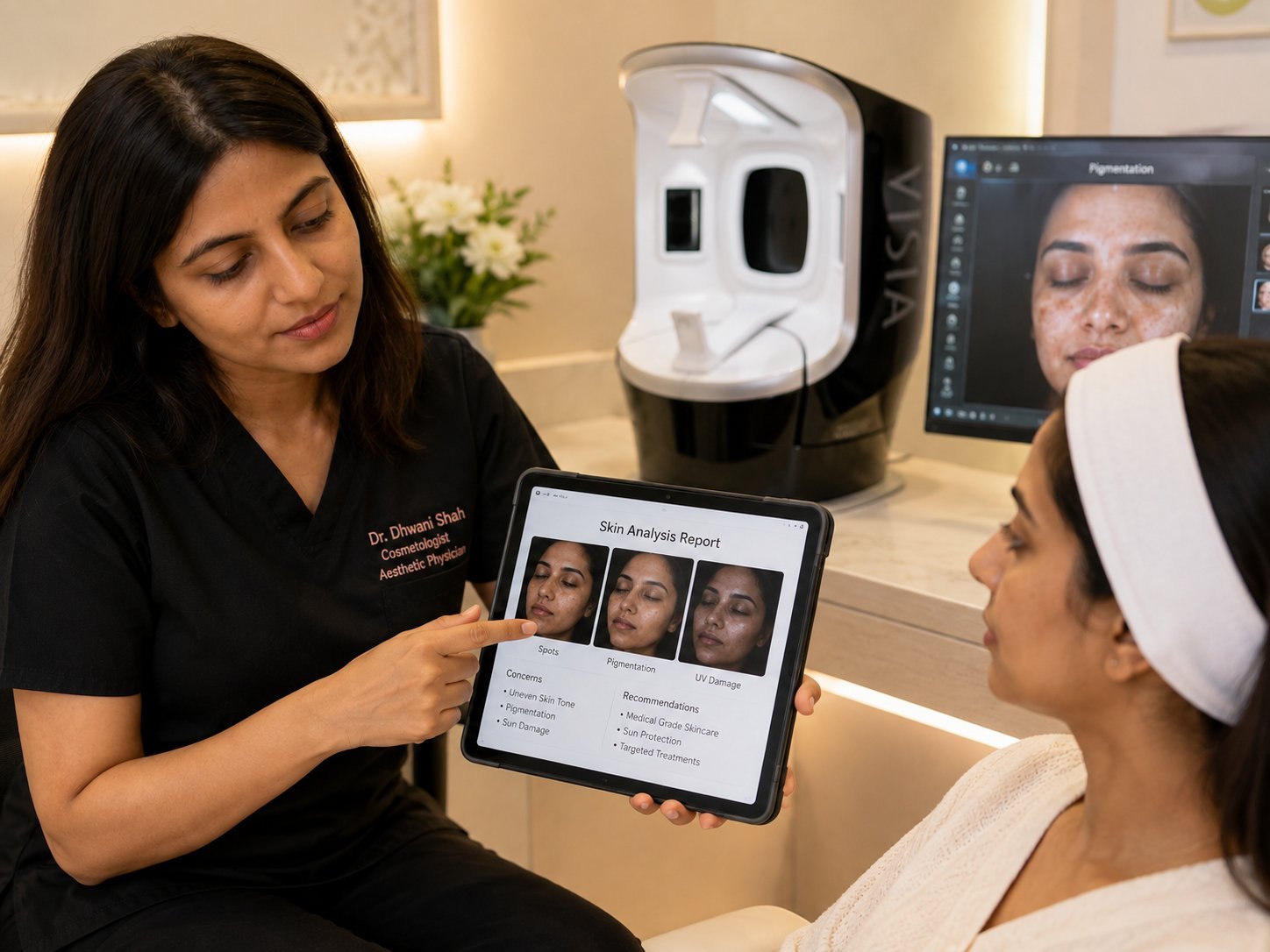
Your natural skin tone is healthy. What most people actually want is even, clear, glowing skin — free of tan, dark spots and patchy pigmentation. These concerns have proven, safer treatments.
Proven ways to treat pigmentation and dullness
- Daily sunscreen — the foundation of every pigmentation plan. See our sunscreen guide.
- Prescription depigmenting creams, supervised by a dermatologist.
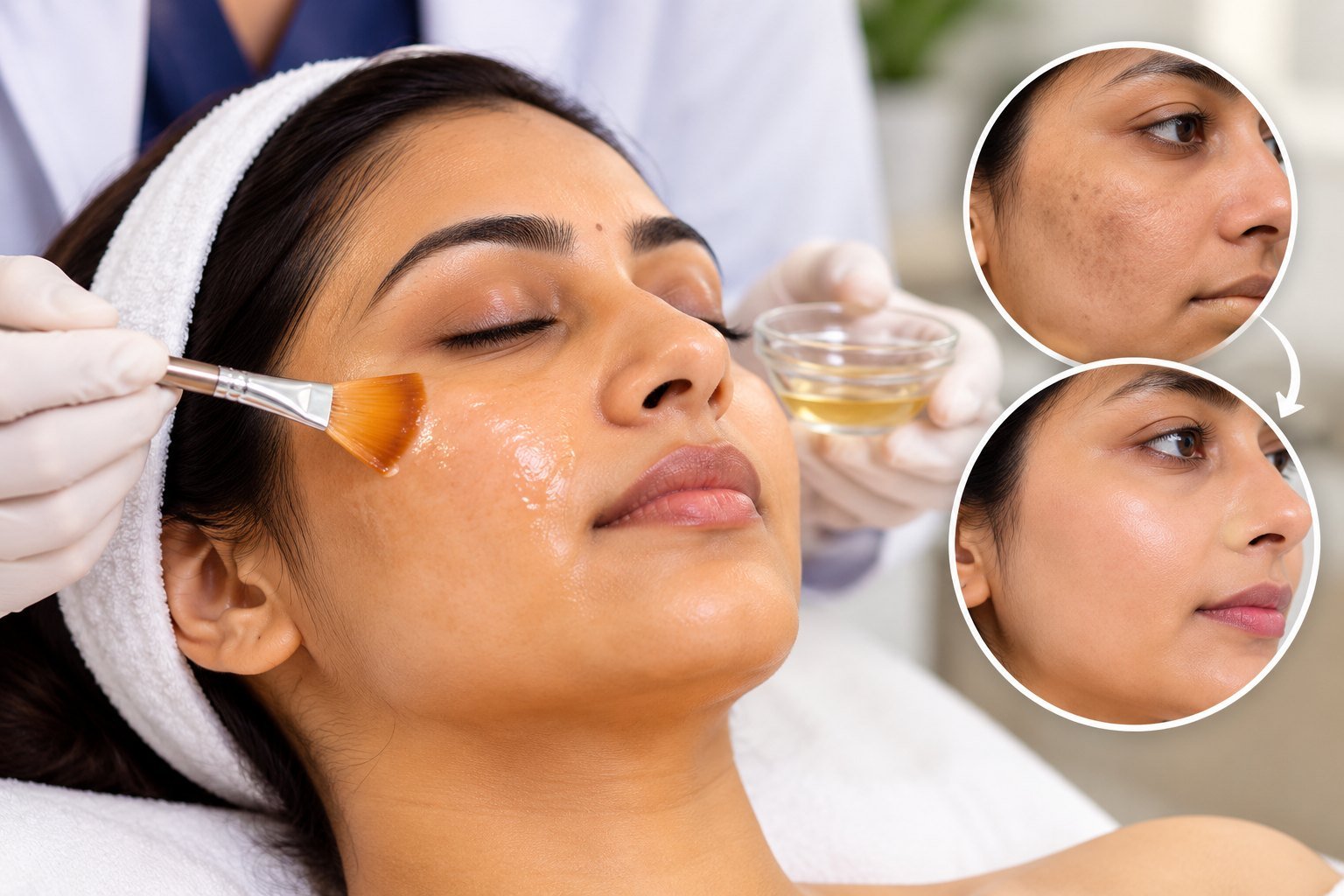
- Medical chemical peels — see chemical peels for Indian skin.
- Laser toning calibrated for darker skin, for stubborn pigmentation and melasma.
- HydraFacial and skin boosters for glow and hydration.
- Treating the cause — melasma, acne marks or tanning each need a different plan. Read about melasma and sun tan removal.
Before you consider glutathione
- Never take IV glutathione at a salon, spa or at home.
- Be wary of anyone promising permanent or dramatic whitening.
- Discuss any supplement with a doctor, especially if you are pregnant, breastfeeding, or have liver, kidney or other health conditions.
- Get a proper diagnosis — patchy darkening is often melasma, which needs targeted treatment.
Our approach at Derma Wellness
We believe in honest advice: treating pigmentation, tan and dullness safely, while respecting your natural skin tone. Book a consultation at our pigmentation clinic in Ahmedabad for a plan based on evidence, not trends.
Frequently asked questions
Do glutathione injections lighten skin permanently? +
No. Any lightening effect is usually mild and temporary, and the evidence for IV glutathione is weak, with safety concerns.
Are glutathione tablets safe? +
Oral glutathione is generally considered low risk for most adults, but its whitening effect is modest and inconsistent. Discuss it with a doctor first.
What is the safest way to treat pigmentation? +
Daily sunscreen, dermatologist-prescribed creams, medical peels and calibrated laser toning — chosen after diagnosing the type of pigmentation.

Dr. Dhwani Shah (Vakta)
MBBS, DDVL · Consultant Dermatologist & Aesthetic Physician, Derma Wellness & Aesthetic Clinic, Ahmedabad · 20+ years of experience
This article is for general information only and is not a substitute for a medical consultation. Treatment suitability, sessions and results vary from person to person. Book a consultation for advice specific to your skin.