Chemical peels are one of the most effective — and most misunderstood — treatments for Indian skin. Done right, they clear acne, fade pigmentation and brighten dull skin. Done wrong, they can leave dark patches that take months to settle. Here is a dermatologist's honest guide to chemical peels for Indian skin.
What is a chemical peel?
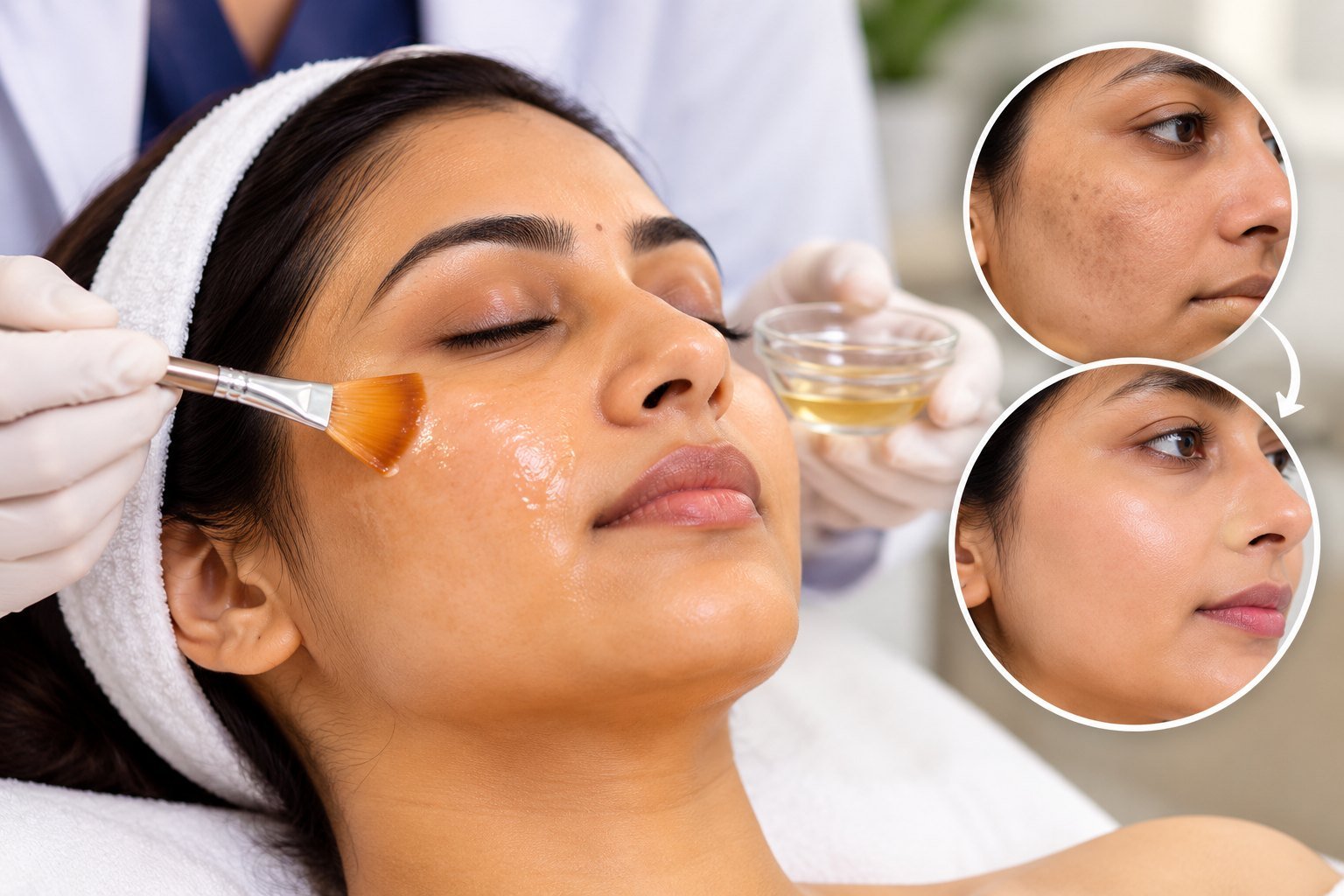
A chemical peel is a controlled exfoliation. A medical-grade acid solution is applied to the skin for a set time, loosening dead surface cells and stimulating renewal underneath. The result is smoother texture, more even tone and clearer pores. Despite the name, most modern peels for Indian skin cause only light flaking — not the dramatic "peeling" people fear.
Why Indian skin needs a different approach
Melanin-rich skin reacts to irritation by producing more pigment. This is called post-inflammatory hyperpigmentation (PIH), and it is the main risk of aggressive peels on Indian skin. That is why we prefer superficial, well-buffered peels in a series rather than a single strong peel, and why skin is usually primed with a prescribed routine for two to four weeks beforehand.
Types of chemical peels and who they suit
Glycolic acid peel
A versatile peel for dullness, fine texture and mild pigmentation. Good for normal to oily skin.
Salicylic acid peel
Oil-soluble, so it penetrates pores. The first choice for active acne, blackheads and oily skin.
Lactic and mandelic acid peels
Gentler options for sensitive or dry skin, and a safe starting point for first-timers.
Depigmenting combination peels
Blends designed for melasma, tanning and post-acne marks. Best used as part of a wider pigmentation treatment plan.
How many sessions do you need?
Most concerns need 4 to 6 sessions spaced 2 to 4 weeks apart. You will notice brighter skin after the first session, but meaningful change in acne or pigmentation builds over the full course.
What does downtime look like?
- Day 0–1: mild tightness or redness, usually settling within hours.
- Day 2–5: light flaking, especially around the mouth and nose. Do not pick it.
- Day 5–7: skin looks fresher and more even.
Most patients return to work the same day.
Aftercare that protects your result
- Broad-spectrum sunscreen every day — see our sunscreen guide for Indian skin.
- No scrubs, retinoids or waxing on the treated area for about a week.
- A gentle cleanser and plain moisturiser only, until flaking stops.
Who should avoid chemical peels?
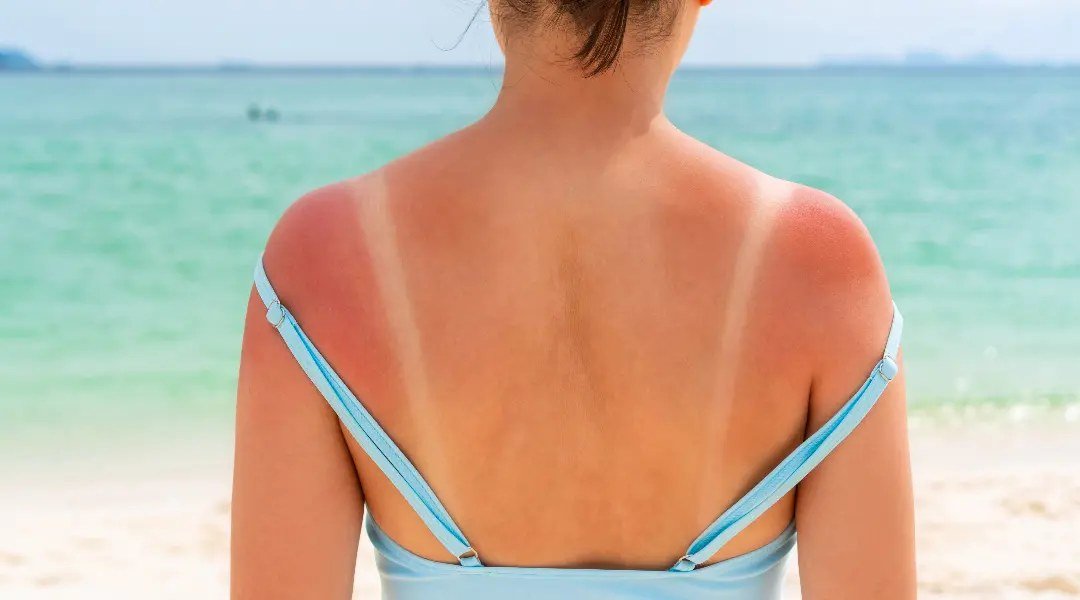
Peels are postponed during active skin infections, open wounds, recent sunburn, or certain oral medications. Pregnancy limits which peels can be used. This is why a consultation comes first.
Salon peel vs dermatologist peel
The acid may sound the same, but strength, skin preparation and timing are what decide whether you get a glow or a dark patch. At a dermatology clinic, the peel is chosen after diagnosing your skin, and the doctor can manage any reaction immediately.
Which peel for which skin concern?
- Active acne and oily skin: salicylic acid peels, often in a series of 4–6.
- Post-acne dark marks: salicylic or depigmenting combination peels.
- Melasma: gentle depigmenting peels as part of a wider plan — never aggressive peels, which can worsen melasma. See melasma on Indian skin.
- Sun tan and dull skin: glycolic or lactic peels. Read how to remove sun tan.
- Enlarged pores and rough texture: salicylic or glycolic peels, often combined with other treatments. See open pores treatment.
- Fine lines: glycolic peels help mildly; deeper lines need collagen treatments or Botox.
Superficial, medium and deep peels
Peels are graded by how deep they work. Superficial peels act on the outermost layer and are the mainstay for Indian skin. Medium-depth peels reach slightly deeper and are used selectively, with careful preparation. Deep peels are rarely appropriate for melanin-rich skin because of the higher pigmentation risk. A good dermatologist will usually choose several gentle sessions over one strong one.
What happens during a chemical peel session
- Your skin is cleansed and degreased so the peel absorbs evenly.
- Sensitive areas — the corners of the eyes, nose and lips — are protected.
- The peel is applied and timed carefully. You may feel tingling or warmth.
- The peel is neutralised or removed at the right moment, depending on the type.
- A soothing cream and sunscreen are applied. The whole session takes about 30 minutes.
How to prepare for a chemical peel
- Follow any priming routine prescribed for 2–4 weeks before your first peel.
- Stop retinoids and exfoliating products 3–5 days before, unless told otherwise.
- Avoid waxing, threading or laser on the area for a week before.
- Avoid sun tanning; arrive with clean skin and no make-up.
- Tell your doctor about any cold-sore history, pregnancy or new medicines.
Possible side effects — and how we minimise them
- Redness and sensitivity: common and short-lived.
- Flaking: expected with some peels; keep moisturising and do not peel it off.
- Post-inflammatory hyperpigmentation: the main risk on Indian skin, minimised by skin priming, conservative strengths and strict sunscreen.
- Cold-sore flare-ups: preventable with medicine if you have a history.
How often can you get a chemical peel?
During an active course, superficial peels are usually spaced 2–4 weeks apart. After that, a maintenance peel every 1–3 months keeps results going. More is not better — over-peeling damages the skin barrier and can cause sensitivity and pigmentation.
Chemical peel or HydraFacial?
A HydraFacial is a gentle cleanse, extraction and hydration treatment with immediate glow and no flaking, ideal before events. Chemical peels work more deeply on acne, pigmentation and texture over a series. Many patients combine both. Compare HydraFacial vs regular facial.
Chemical peels for brides and grooms
Peels are a key part of most pre-wedding skin plans, but timing matters. Start a peel course 3–4 months before the wedding, and schedule the last peel at least 10–14 days before the big day. See our 6-month bridal skin plan.
Frequently asked questions
Are chemical peels safe for dark or Indian skin? +
Yes, when the peel type and strength are chosen by a dermatologist and the skin is primed beforehand. Superficial peels done as a series are the safest approach for melanin-rich skin.
How long does a chemical peel last? +
Results build over a course of 4–6 sessions. With daily sunscreen and a good routine, results last for months; many patients do a maintenance peel every 1–3 months.
Can I go to work after a chemical peel? +
Usually yes. Most superficial peels cause only mild redness for a few hours and light flaking over the next few days.
How many chemical peel sessions do I need? +
Most concerns need 4–6 sessions spaced 2–4 weeks apart, followed by occasional maintenance peels.
Can chemical peels remove pigmentation? +
Yes. Depigmenting and glycolic peels fade tanning, post-acne marks and some melasma when combined with sunscreen and a prescribed routine.
Is a chemical peel good before a wedding? +
Yes, when planned early. Start 3–4 months ahead and have the last peel at least 10–14 days before the wedding.

Dr. Dhwani Shah (Vakta)
MBBS, DDVL · Consultant Dermatologist & Aesthetic Physician, Derma Wellness & Aesthetic Clinic, Ahmedabad · 20+ years of experience
This article is for general information only and is not a substitute for a medical consultation. Treatment suitability, sessions and results vary from person to person. Book a consultation for advice specific to your skin.