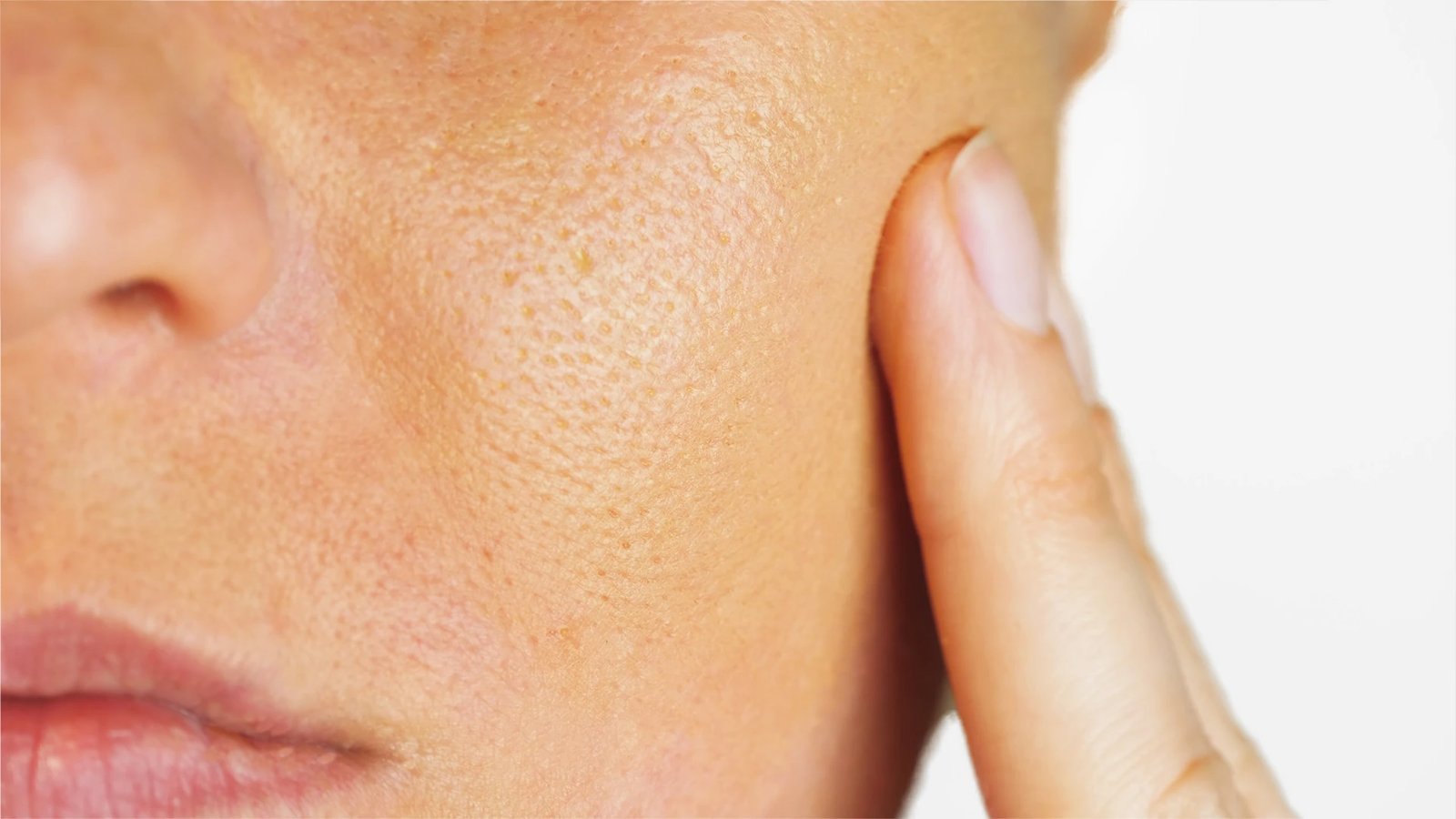
Acne may be gone, but the scars stay — and no cream can fill a dent in the skin. The good news: acne scar treatment has improved enormously. The key is matching the right procedure to the right scar type, especially on Indian skin.
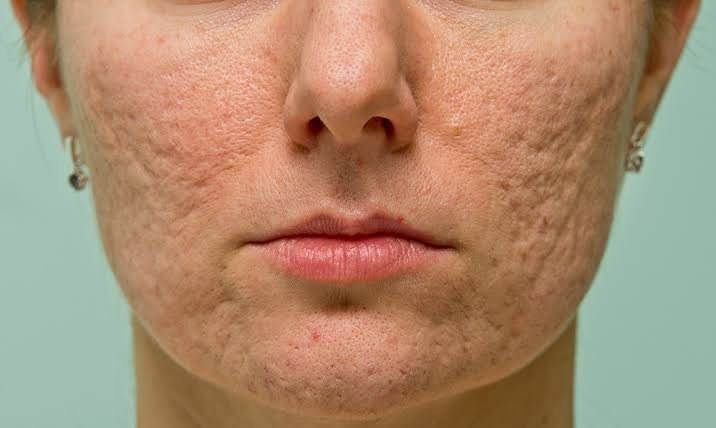
First, know your scar type
Ice-pick scars
Narrow, deep holes. They need targeted treatment such as focal TCA application (TCA CROSS) before resurfacing.
Boxcar scars
Wider depressions with sharp edges. They respond well to MNRF and fractional laser.
Rolling scars
Wave-like dips caused by bands pulling skin down from below. These need subcision to release the bands.
Dark marks (not true scars)
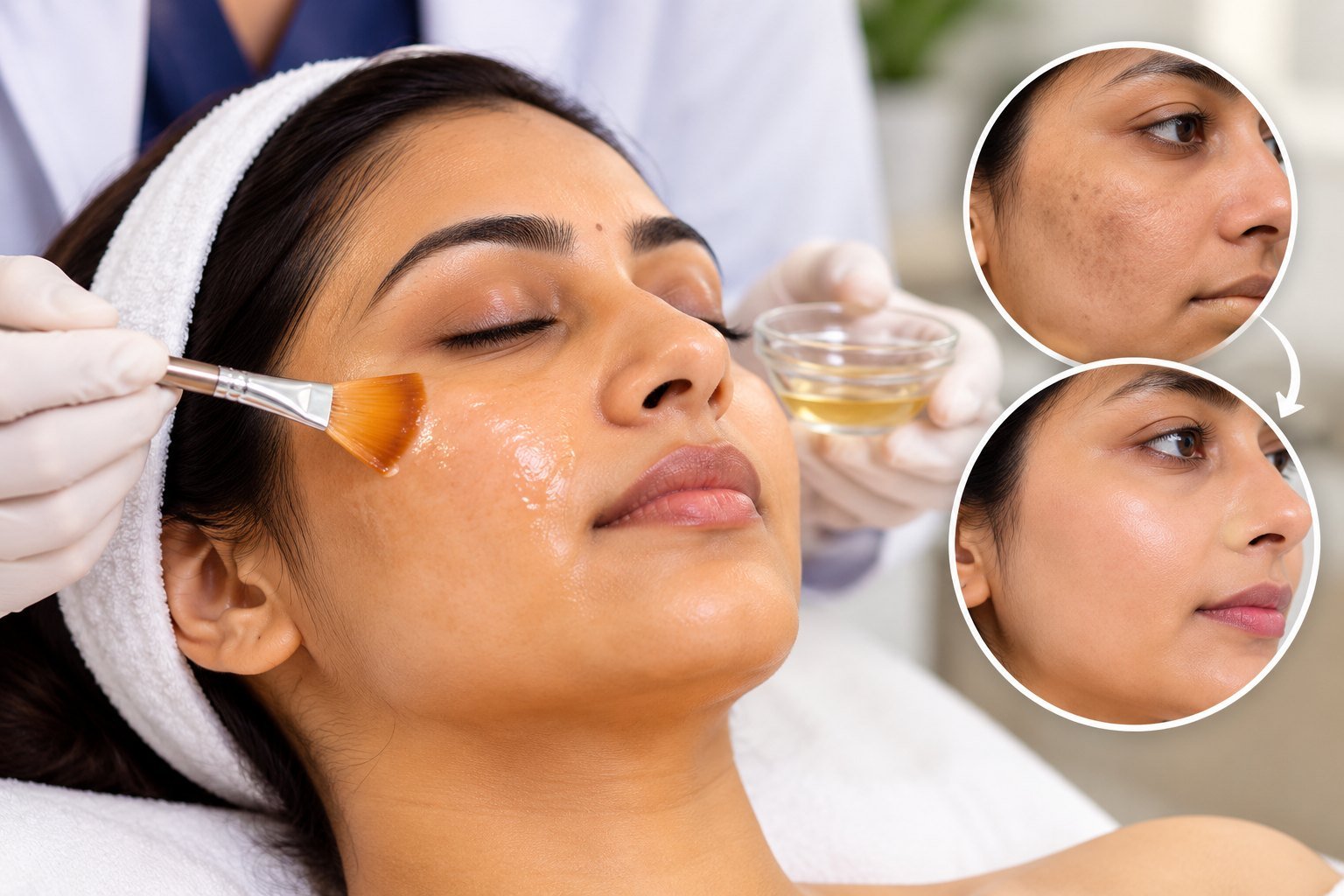
Flat brown or red marks are post-inflammatory pigmentation, not scars. They fade with peels and a pigmentation routine — no needles required.
Most people have a mix of types, which is why the best results come from combining treatments.
The main acne scar treatments compared
MNRF (Microneedling Radiofrequency)
Fine insulated needles deliver radiofrequency energy into the deeper skin, stimulating collagen while protecting the surface. It is one of the safest resurfacing options for Indian skin because the risk of pigmentation is low. Typically 4–6 sessions, 4–6 weeks apart.
Subcision
A fine needle is used under local anaesthesia to release the fibrous bands under rolling scars. Often done once or twice, then combined with MNRF.
Fractional laser
Creates microscopic treatment columns that trigger remodelling. Effective, but settings must be carefully calibrated for darker skin to avoid pigmentation.
Chemical peels
Best for superficial texture and the dark marks that accompany scars, rather than deep dents.
Realistic expectations
- Most patients see 40–70% improvement over a full course — scars soften and look much less obvious, rather than vanishing completely.
- Collagen remodelling continues for 3–6 months after the last session.
- Active acne must be controlled first, otherwise new scars keep forming.
How long is the downtime?
After MNRF, expect redness and mild swelling for 1–3 days. Subcision may cause bruising for about a week. Laser downtime depends on the settings used. Strict sun protection is essential throughout.
When should you start?
As soon as active breakouts are under control. Treating scars early — while the skin still remodels well — gives better outcomes. If you still have breakouts, start with an acne treatment plan first. Read more about adult acne causes.
Combination treatment: why one procedure is rarely enough
Because most faces have more than one scar type, we usually plan treatment in layers. A typical plan for moderate scarring on Indian skin might look like this:
- Step 1 — Control active acne with a prescription plan, so no new scars form.
- Step 2 — Release and lift: subcision for rolling scars and TCA CROSS for ice-pick scars.
- Step 3 — Remodel: a course of MNRF sessions to rebuild collagen and smooth texture.
- Step 4 — Even the tone: peels or a prescription routine for the dark marks that sit around scars.
Combining treatments in the right order often gives a better result than repeating a single procedure many times.
What happens at your acne scar consultation
At our Ahmedabad clinic, the first visit focuses on diagnosis rather than selling a package:
- Your scars are examined under angled light, which shows depth and type much more clearly than a mirror.
- Standardised photographs are taken so progress can be measured objectively.
- Your skin type, history of pigmentation and current medicines are reviewed to choose safe settings.
- You receive a written plan: which procedures, how many sessions, the expected improvement and the downtime.
Preparing for MNRF or subcision
- Stop retinoids and exfoliating acids around 5–7 days before, unless advised otherwise.
- Avoid sun tanning and waxing on the area for two weeks before treatment.
- Tell your doctor about any history of cold sores, keloids or blood-thinning medicines.
- Plan important events at least two weeks after a session.
Aftercare that protects your results
- Use only a gentle cleanser, the prescribed soothing cream and sunscreen for the first few days.
- Avoid make-up for 24 hours after MNRF.
- Skip gyms, saunas and swimming for 48 hours.
- Restart actives such as retinoids only when your doctor says so.
- Use sunscreen strictly — unprotected sun exposure is the main cause of pigmentation after resurfacing on Indian skin. Read our sunscreen guide.
What affects the cost of acne scar treatment?
Rather than quoting a single price, a responsible clinic explains what the total depends on:
- The number and types of scars, and the area being treated.
- Which procedures you need, and in what combination.
- The number of sessions — usually 4–6 for MNRF.
- Whether active acne needs to be treated first.
At Derma Wellness, you receive a transparent per-course estimate after your consultation, with no hidden charges.
Can home remedies or creams fix acne scars?
Creams, serums and home remedies cannot fill depressed scars, because the problem lies in the deeper skin structure. Retinoids and vitamin C can improve surface texture and dark marks, which is useful alongside procedures — but they will not replace them. Beware of social-media "derma roller" kits: deep needling at home carries a real risk of infection and pigmentation.
Why choose a dermatologist for acne scars?
Scar treatment on Indian skin is about judgement: choosing the right depth, energy and interval for your skin, and spotting early signs of irritation before they become pigmentation. At our acne and acne scar clinic in Ahmedabad, every procedure is planned and supervised by Dr. Dhwani Shah (Vakta). See real results in our before & after gallery.
Frequently asked questions
What is the best treatment for acne scars on Indian skin? +
There is no single best treatment. MNRF is often the backbone because it is safe for darker skin, combined with subcision for rolling scars and TCA CROSS for ice-pick scars.
How many sessions of MNRF are needed for acne scars? +
Usually 4–6 sessions spaced 4–6 weeks apart, depending on scar depth and type.
Can acne scars be removed permanently? +
Scars can be significantly and permanently improved, but rarely erased completely. A combination plan typically gives 40–70% improvement.
Is MNRF painful? +
A numbing cream is applied for 45–60 minutes before treatment, so most patients feel only warmth and pressure. Discomfort is mild and short-lived.
How long after MNRF will I see results? +
Skin texture starts improving after 3–4 weeks, and results keep building for 3–6 months after the final session as new collagen forms.
Can acne scars be treated while I still have pimples? +
Active acne should be controlled first. Some gentle treatments can begin alongside acne therapy, but resurfacing is best done once breakouts have settled.

Dr. Dhwani Shah (Vakta)
MBBS, DDVL · Consultant Dermatologist & Aesthetic Physician, Derma Wellness & Aesthetic Clinic, Ahmedabad · 20+ years of experience
This article is for general information only and is not a substitute for a medical consultation. Treatment suitability, sessions and results vary from person to person. Book a consultation for advice specific to your skin.